Introduction: Understanding Trezor.io/start
Cryptocurrencies have grown into one of the most influential innovations of the digital age, but with their rise comes an equally powerful responsibility: security. Unlike traditional banking systems, where institutions safeguard your funds, crypto ownership places the burden of protection entirely on the user. This is where Trezor emerges as a critical solution. Trezor, one of the earliest and most trusted hardware wallet manufacturers, provides secure offline storage for digital assets. Their official onboarding portal, Trezor.io/start, is the gateway for setting up and using Trezor devices safely and efficiently.
Whether you are a beginner stepping into the world of crypto for the first time or an experienced investor looking to strengthen your security, Trezor.io/start is designed to guide you through every essential step. This comprehensive 2000-word guide explores everything you need to know about the platform—how it works, what makes it secure, how to set up your wallet, use Trezor Suite, recover funds, manage assets, troubleshoot issues, and more.
What Is Trezor.io/start?
Trezor.io/start is the official onboarding and setup page for Trezor hardware wallets. It provides:
Download links for Trezor Suite (desktop & web versions)
Step-by-step device setup instructions
Firmware installation guidance
Security tutorials and wallet safety best practices
Recovery seed creation instructions
Troubleshooting help and FAQs
It is important to emphasize that Trezor.io/start is the only legitimate and official starting page for setting up any Trezor device. Trezor warns users not to trust unofficial third-party setup sites, as these may lead to phishing or theft attempts.
Why Trezor Uses Hardware Security
Before exploring the setup process, it’s vital to understand why Trezor exists in the first place. Hardware wallets offer several advantages over software wallets or exchanges:
1. Offline Storage (Cold Wallet Protection)
Hardware wallets store private keys offline, eliminating exposure to online hacking methods such as malware, spyware, or phishing.
2. User-Controlled Private Keys
With a Trezor wallet, you own your private keys. Exchanges and custodial wallets often control user assets, increasing the risk of platform failures.
3. Secure Recovery Options
Trezor uses an industry-standard recovery seed (a series of 12–24 words), allowing users to restore access on any compatible hardware wallet if theirs is lost.
4. Firmware Verification
Through Trezor.io/start, users install and verify firmware directly from official servers, preventing unauthorized tampering.
A Step-by-Step Guide to Trezor.io/start
Below is a detailed walkthrough of everything that happens when you visit Trezor.io/start to set up your hardware wallet.
1. Connecting Your Trezor Device
Once you navigate to Trezor.io/start, the first step is connecting your hardware wallet to your computer using the supplied USB cable. Trezor devices include:
Trezor Model One
Trezor Model T
Trezor Safe 3
The site automatically detects your device and guides you through the next steps.
2. Installing Trezor Suite
The next step is downloading Trezor Suite, the official application for managing your crypto assets. It is available for:
Windows
macOS
Linux
Web interface (via supported browsers)
Trezor Suite provides a visually intuitive and secure way to:
Buy, sell, swap, and send crypto
Track your portfolio
Manage accounts and addresses
Monitor transaction history
Update device firmware
Access security settings
Enable optional privacy tools like Tor
Trezor.io/start redirects you to the download page with the correct installer for your operating system.
3. Installing or Updating Firmware
A critical step during first-time setup is installing Trezor’s official firmware. This ensures:
The device is genuine
No unauthorized software is present
You receive the latest features and security updates
The firmware is signed and verified directly through Trezor Suite. During updates:
Never disconnect the device
Never use unofficial firmware
Allow Trezor Suite to complete the process
This step is essential for guaranteeing maximum security.
4. Creating a New Wallet
After firmware installation, Trezor.io/start guides you to create a new wallet. Here’s what happens:
Generating Private Keys
The device creates a unique set of cryptographic private keys inside the hardware wallet—it never exposes them to the computer or internet.
Creating the Recovery Seed
You will then be shown a 12, 20, or 24-word recovery seed—the only way to restore your wallet if:
The device is lost
The device is damaged
You forget your PIN
Trezor emphasizes:
Write the seed on paper (not digitally)
Store it securely
Never share it with anyone
Never upload it to websites, cloud storage, or emails
Your recovery seed = access to your crypto.
5. Setting Up a PIN
Next, Trezor.io/start will walk you through creating a secure PIN code. This PIN protects your device from unauthorized physical access.
Tips for creating a strong PIN include:
Avoid easy patterns (e.g., 1111, 1234)
Avoid birthdays or predictable combos
Use the maximum allowed digits
If someone steals your device, the PIN prevents them from accessing your funds.
Exploring Trezor Suite After Setup
Once your Trezor is fully configured, Trezor Suite becomes your central dashboard for managing crypto. It offers numerous features:
1. Portfolio Overview
You can see:
Total balance
Asset allocation
Portfolio growth over time
Detailed transaction history
This gives a clear picture of your crypto financial health.
2. Sending and Receiving Crypto
Trezor Suite simplifies sending and receiving:
Bitcoin (BTC)
Ethereum (ETH)
ERC-20 tokens
Litecoin (LTC)
Cardano (ADA)
Polkadot (DOT)
Many more supported assets
For security:
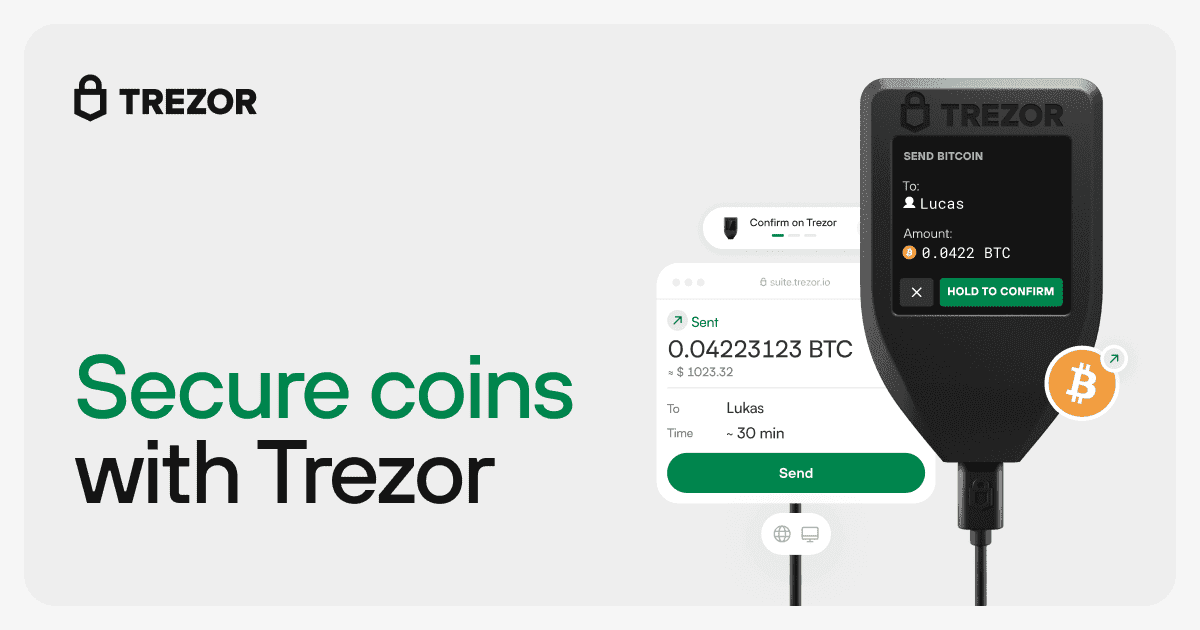
All transactions must be confirmed on the Trezor device screen
Addresses must be verified physically before approving
This eliminates the risk of malware altering addresses.
3. Coin Management and Account Control
You can create:
Multiple accounts for different coins
Segregated wallets for different purposes
Labeling and categorization for transactions
Each coin has unique features—Trezor Suite ensures compatibility with various networks and tokens.
4. Built-In Trading Features
Through integrated partners, Trezor Suite allows users to:
Swap cryptocurrencies
Buy coins with fiat
Sell and convert assets
Use decentralized exchange (DEX) integrations
All operations happen while maintaining hardware-level security.
5. Privacy and Security Tools
Trezor Suite includes:
Tor Support
A privacy-focused routing system that masks user IP addresses.
Labeling Encryption
Allows users to encrypt labels and notes for transaction organization.
Passphrase Feature
This adds a second layer of security to the recovery seed.
For maximum security, Trezor recommends enabling advanced protection options.
Recovering Your Wallet Through Trezor.io/start
If you ever need to recover your assets, the recovery process is simple:
Steps:
Visit Trezor.io/start
Connect your device
Choose Recover wallet
Enter your recovery seed using the device
Trezor Suite rebuilds your accounts and balances
This process highlights the importance of storing your seed safely.
Common Issues and Troubleshooting at Trezor.io/start
Even though the setup process is straightforward, users may occasionally face minor issues. Here are common problems and solutions:
1. Device Not Recognized
Try a different USB cable
Use another USB port
Install Trezor Bridge if required
2. Firmware Update Loop
Disconnect and reconnect
Ensure security software is not blocking firmware
3. Trezor Suite Not Loading
Check internet connection
Try the web version
4. Recovery Seed Incorrect
Ensure correct word order
Words must be from BIP39 wordlist
Most issues are fixed by reinstalling Trezor Suite or updating firmware.
Security Warnings From Trezor.io/start
Trezor emphasizes security at every stage. Users should always:
Avoid entering recovery seed into any online form
Never search “Trezor recovery” or click unknown links
Only download software from Trezor.io/start
Avoid browser extensions claiming to support Trezor
Your crypto is safe as long as your seed is secure.
Why Trezor Stands Out Among Hardware Wallets
1. Open-Source Architecture
Trezor’s software and firmware are open-source, enabling transparency and community security audits.
2. Independent Firmware Verification
Users can verify firmware authenticity through cryptographic checks.
3. User-Friendly Interface
Trezor Suite provides one of the cleanest, most intuitive crypto management dashboards.
4. Strong Industry Reputation
Launched in 2013, Trezor is widely regarded as the first hardware wallet ever created.
Conclusion: Why Trezor.io/start Is Essential for Secure Crypto Storage
Trezor.io/start is more than a setup page—it is the foundation of a secure crypto journey. It provides everything users need to confidently manage and protect their digital assets, from initial onboarding to advanced privacy tools. As crypto adoption grows, securing your investments becomes increasingly crucial. Trezor’s combination of hardware-level protection, user-controlled keys, open-source transparency, and intuitive software makes it one of the most trusted names in the crypto industry.
Whether you're storing long-term investments, actively trading, or simply exploring the crypto world, Trezor.io/start ensures your setup is secure, smooth, and fully protected.
If you'd like: