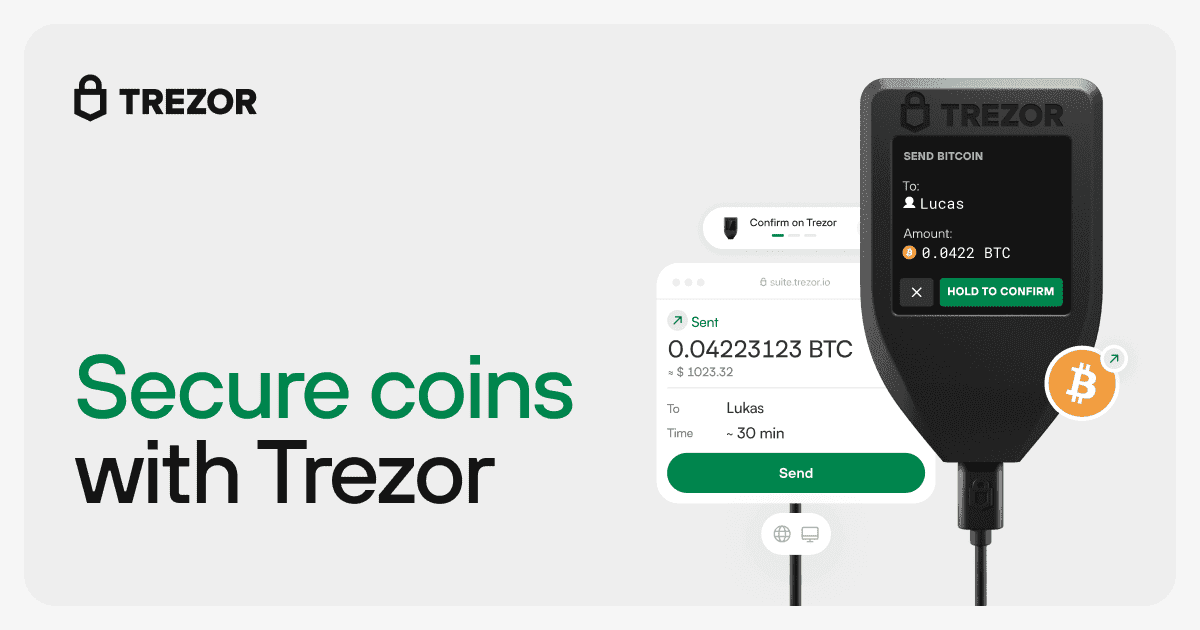
Setting Up Your Trezor Hardware Wallet
Cryptocurrency ownership brings financial freedom, but it also comes with the responsibility of safeguarding your digital assets. The safest way to secure Bitcoin, Ethereum, USDT, and thousands of other cryptocurrencies is by using a hardware wallet, and one of the most trusted names in this field is Trezor. Whether you purchased a Trezor Model One, Trezor Model T, or the latest Trezor Safe 3, the first step to getting started is visiting Trezor.io/start.
This guide provides a complete breakdown of everything you need to know about the setup process, installation, recovery, security features, best practices, and troubleshooting tips—all centered around the official onboarding portal Trezor.io/start.
What Is Trezor.io/start?
Trezor.io/start is the official, secure onboarding platform for all Trezor hardware wallets. It helps users:
Set up a new Trezor wallet
Download Trezor Suite, the desktop application for managing crypto
Install firmware updates
Create or recover a wallet
Learn how to manage crypto safely
Access security tutorials and beginner-friendly guidance
Unlike fake websites or phishing pages, Trezor.io/start is the only official link for securely preparing your device.
Why You Need to Visit Trezor.io/start Before Using Your Device
Setting up a Trezor involves several security-sensitive steps (such as firmware installation and recovery seed generation). Trezor.io/start ensures:
You follow the correct and official setup process
No tampered files or malicious software gets installed
You understand essential safety rules
Your device remains fully secure during initialization
Trying to skip this step or using unofficial sources can put your crypto at risk.
Step-by-Step Guide to Setting Up Your Trezor via Trezor.io/start
Below is a complete, beginner-friendly walkthrough.
1. Unbox Your Trezor Hardware Wallet
Before visiting Trezor.io/start, verify the physical integrity of your device.
Check for:
Seal on the box
Unbroken holograms (Model One)
Scratch-free screen (Model T)
No tampered packaging
If anything looks suspicious, contact Trezor Support before using the device.
2. Go to the Official Website – Trezor.io/start
Open your browser and type:
👉 Trezor.io/start
This redirects you to a dedicated onboarding page. Select your device model:
Trezor Model One
Trezor Model T
Trezor Safe 3
Once selected, you’ll get detailed setup instructions.
3. Download Trezor Suite (Desktop Application)
The website will prompt you to download Trezor Suite, the official crypto management software.
Trezor Suite is available for:
Windows
macOS
Linux
Why Trezor Suite is Necessary
It allows you to:
Manage accounts and cryptocurrencies
Send/receive crypto
Check portfolio balance
Install device firmware
Enable security features
Use privacy functions (Tor, coin control)
Pro Tip: Avoid using Trezor Suite Web unless necessary; the desktop version is more secure.
4. Connect Your Trezor Device
Use the USB cable provided in the box.
Once connected:
Trezor Suite will detect your device
You’ll be prompted to install or update firmware
Important:
Trezor hardware wallets ship with no pre-installed firmware (for security).
Installing firmware during setup ensures authenticity.
5. Install Firmware (Mandatory Step)
Click Install Firmware inside Trezor Suite. The file is downloaded directly from Trezor’s secure servers.
What Firmware Does
Ensures device integrity
Activates security features
Enables crypto operations
Prevents unauthorized access
After installation, the device reboots.
6. Create a New Wallet (Recommended for New Users)
Once your device boots, choose:
👉 “Create New Wallet”
Trezor will generate a unique cryptographic wallet that never leaves the device.
7. Generate & Secure Your Recovery Seed
This is the most important part of the entire setup process.
Your Trezor will show either:
12-word recovery seed (Trezor Safe 3 & Model One)
24-word recovery seed (optional but recommended)
Shamir Backup (Model T – multi-share recovery option)
Rules You MUST Follow
✔ Write the words on paper only
✔ Keep multiple backups
✔ Never take pictures
✔ Never type them into a phone or computer
✔ Never store them online
✔ Do not share with anyone
Why Recovery Seed Matters
It is the master key to your crypto.
If you lose your Trezor device, you can recover everything using the seed.
If someone else gets it, they can steal your assets.
8. Set Up a PIN
Next, you will create a device PIN (similar to a phone lock).
Tips for Setting a Strong PIN
Use all available digits
Avoid birthdays or simple patterns
Never reuse old PINs
Each failed PIN attempt increases the delay, making brute-force attacks impossible.
9. Access Your Dashboard in Trezor Suite
Once your wallet is created, the suite takes you to the main dashboard.
Here you can:
Add accounts (Bitcoin, Ethereum, etc.)
View your portfolio
Customize privacy settings
Use Tor for enhanced anonymity
Connect to your own Bitcoin node
Managing Crypto With Trezor Suite After Setup
Once you complete setup via Trezor.io/start, you can begin managing your cryptocurrency securely.
1. Adding Cryptocurrency Accounts
Trezor supports:
Bitcoin
Ethereum
USDT
Litecoin
BNB
Cardano
Solana
And over 8,000 tokens
Each requires adding a separate account in Trezor Suite.
2. Receiving Crypto
Steps:
Select the coin
Click Receive
Verify the receiving address on your Trezor screen
Copy/paste or share the address
Always confirm address on hardware to avoid malware substitution attacks.
3. Sending Crypto
Click Send
Enter the address
Confirm transaction details
Final approval happens on your Trezor device
Suite broadcasts the transaction
Your private keys never leave the hardware wallet.
4. Buying, Swapping, and Selling
Trezor Suite integrates exchange and DEX partners to:
Buy crypto with fiat
Swap coins
Sell for bank deposit
All while keeping keys on your device.
Advanced Security Features After Trezor.io/start Setup
Once the basic setup is complete, explore advanced features for maximum protection.
1. Passphrase Protection (Hidden Wallets)
A passphrase adds an extra layer that creates an entirely new hidden wallet on your device.
Benefits:
Extra protection if your seed is compromised
Multiple wallets from one seed
Maximum privacy
Memorize your passphrase — it cannot be recovered.
2. Shamir Backup (Model T)
Create multi-share recovery seeds, such as:
3 shares, need 2
5 shares, need 3
Ideal for businesses or long-term storage.
3. Tor Integration
Enable Tor inside Trezor Suite to hide your IP and improve privacy.
4. Customizing UTXO and Coin Control
For Bitcoin users:
Choose specific UTXOs
Prevent linking addresses
Enhance privacy
Trezor.io/start Troubleshooting Guide
If anything goes wrong, here are common fixes.
1. Device Not Recognized
Try:
Different USB cable
Another USB port
Reinstall Trezor Suite
Restart computer
2. Firmware Installation Failure
Usually caused by:
Poor connection
Incomplete download
Solution: unplug → replug → retry.
3. Touchscreen Not Responding (Model T)
Clean the screen and restart the device.
4. Recovery Seed Incorrect
Ensure:
Words are spelled exactly
Correct order
English word list is used
Safety Rules Everyone Must Follow
To keep your crypto safe:
✔ Only use Trezor.io/start for onboarding
✔ Never buy Trezor from unofficial sellers
✔ Store your recovery seed offline
✔ Enable passphrase protection
✔ Keep firmware updated
✔ Use desktop Suite, not browser wallets
✔ Never share screenshots of crypto addresses or balances
Trezor.io/start vs. Competitors
Trezor advantages:
Fully open-source
Proven security track record
Intuitive interface
Supports massive token variety
Advanced privacy tools
Independent of closed vendors
Ledger, BitBox, and Keystone are also good, but Trezor’s transparency and open-source firmware make it unique.
Final Thoughts on Trezor.io/start
For beginners and experienced crypto users alike, Trezor.io/start is the most important destination when setting up a new Trezor hardware wallet. It ensures you follow a secure, verified, and step-by-step onboarding process that keeps your digital assets protected from theft, hacks, and phishing attacks.